In August 2000, religious leaders from across the world walked into the General Assembly Hall of the United Nations. Many of their traditions had never shared a room like that before. They came to ask a simple question: what could they do together for peace?
The World Council of Religious Leaders was born from that question. Over more than two decades, the answer has taken many forms - summits and declarations, delegations and dialogues, young people crossing borders and old wounds being named. This is that story.
Beginnings
The Council grew out of one conviction: that the world's religious leaders could do more for peace together than apart.
1998
The World Movement for Nonviolence
H.E. Bawa Jain founds the World Movement for Nonviolence, which later presents the Gandhi-King Award for the practice of nonviolence in daily life.
August 2000
The Millennium World Peace Summit
Senior religious and spiritual leaders from across the world's traditions gather in the United Nations General Assembly Hall - the first gathering of its kind - and sign a Commitment to Global Peace.
Summit footage, World Council of Religious Leaders archiveRead the full story
June 2002
The Council is launched in Bangkok
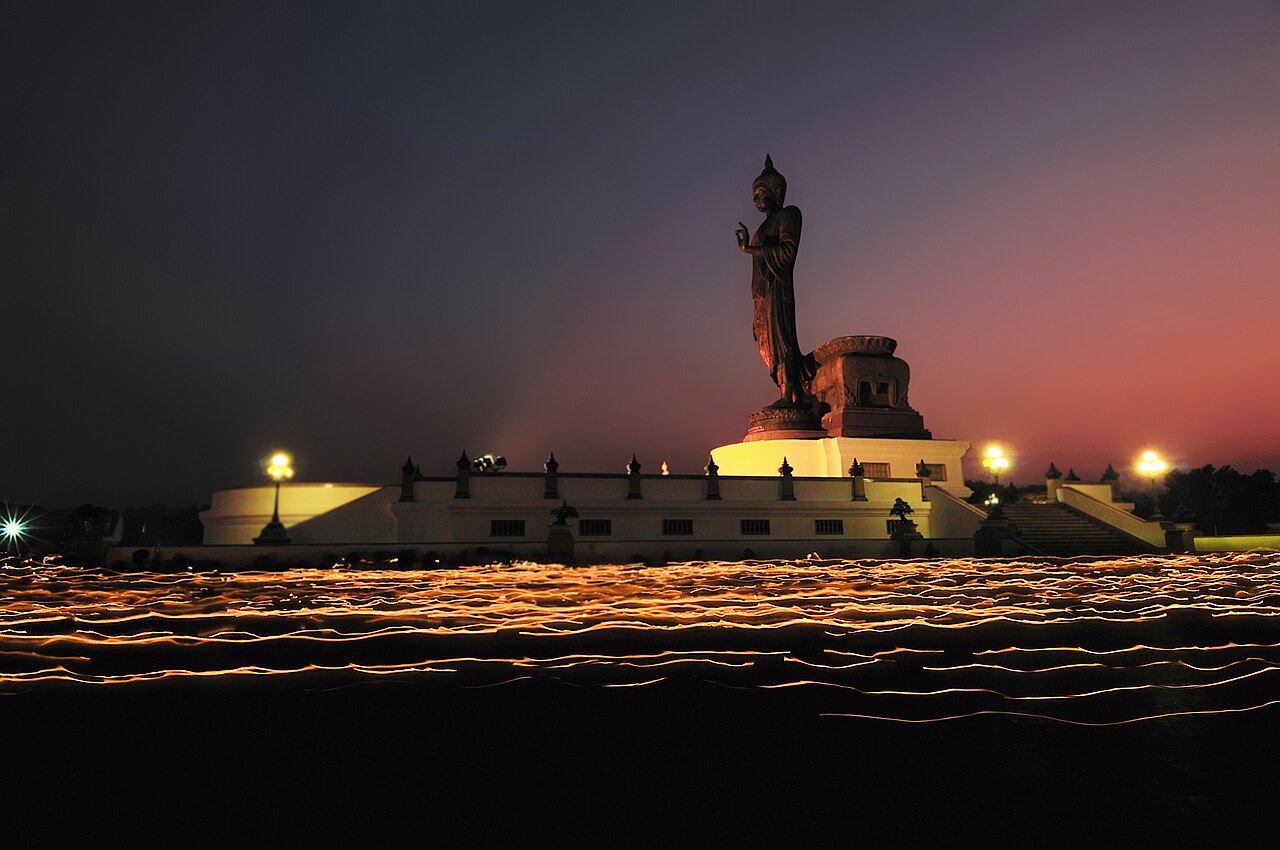
At Buddhamonthon and UNESCAP, the World Council of Religious Leaders is formally launched and adopts a Charter naming the ways religious leaders can help reduce conflict and meet the critical needs of humankind.
In its first decade the Council worked in two directions at once: bringing traditions face to face, and handing the work of peace to a new generation.
2003 onward
The World Youth Peace Summit
Young leaders from more than 100 countries meet through regional gatherings from Kyoto to Sarajevo to Bangkok, turning dialogue into service in their own communities.
In New Delhi, Hindu leaders and the Chief Rabbinate of Israel meet for the first time at this level and affirm their shared values in a joint declaration.
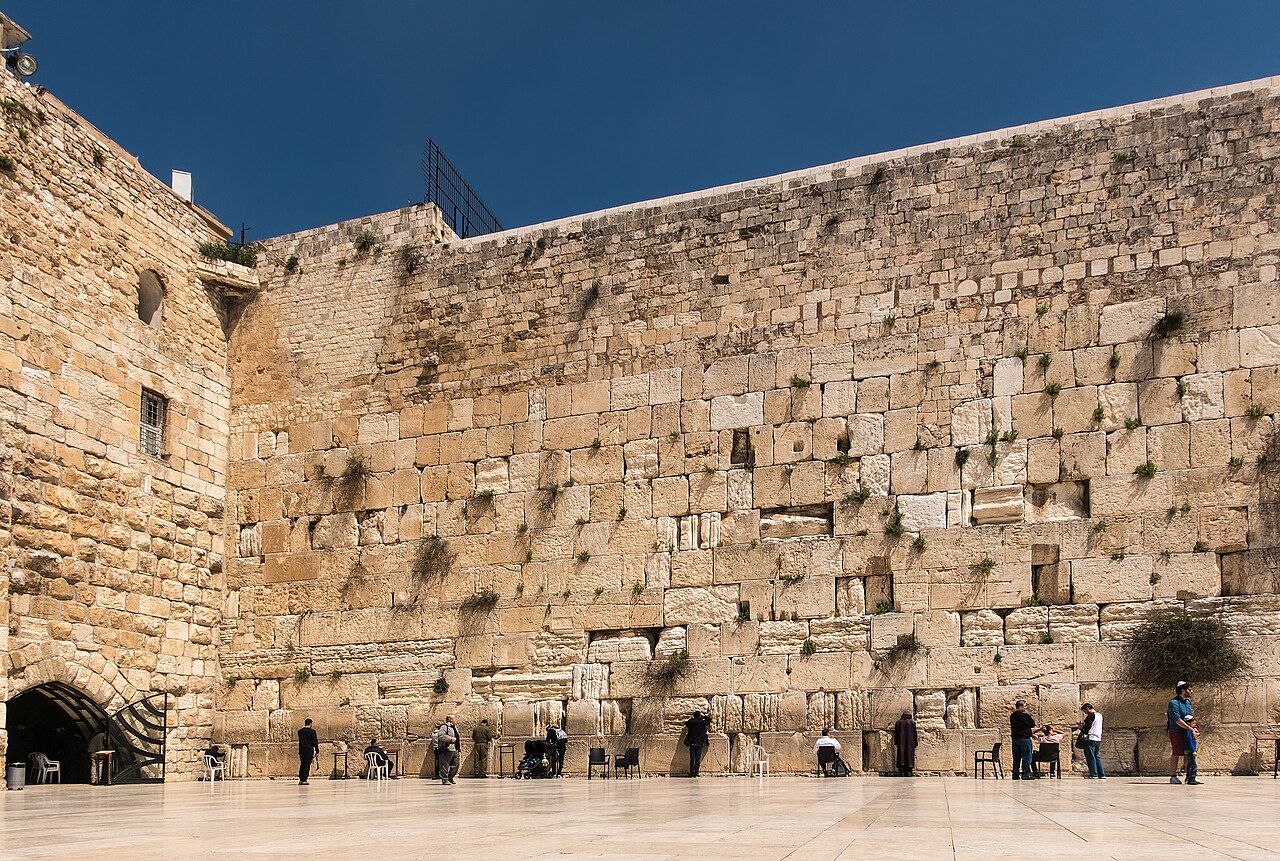
A delegation of some 20 Hindu leaders travels to Jerusalem. A nine point declaration recognizes that Hindus relate to the One Supreme Being and do not worship idols.
As public life grew more polarized, the Council widened the table to leaders from every sector, and to traditions with painful histories between them.
April 2019
A partnership between Muslims and Jews
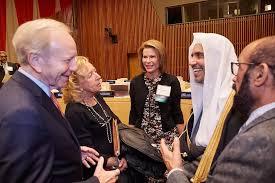
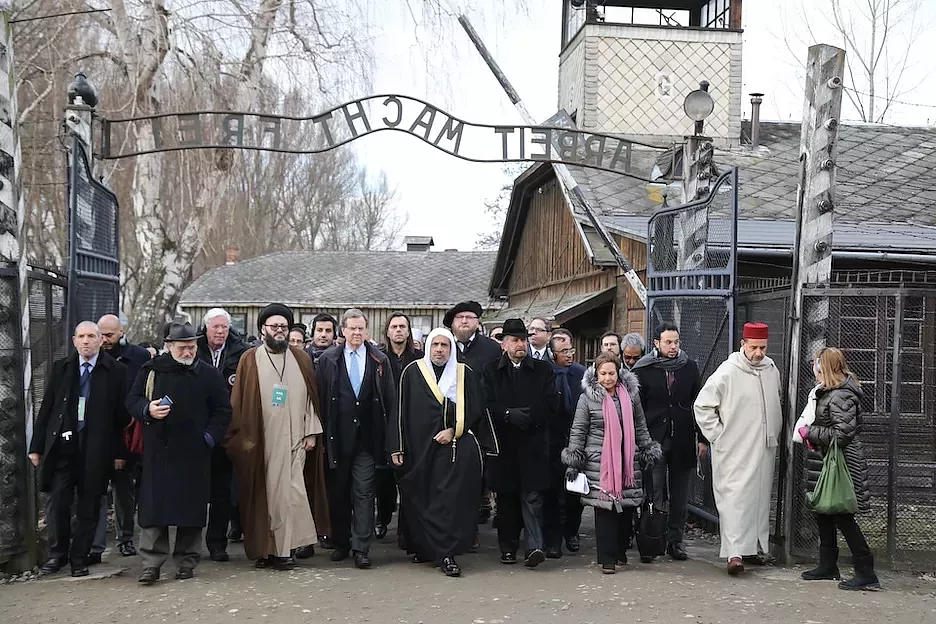
The Muslim World League and the American Jewish Committee sign a Memorandum of Understanding in New York, with H.E. Bawa Jain as witness and guarantor.
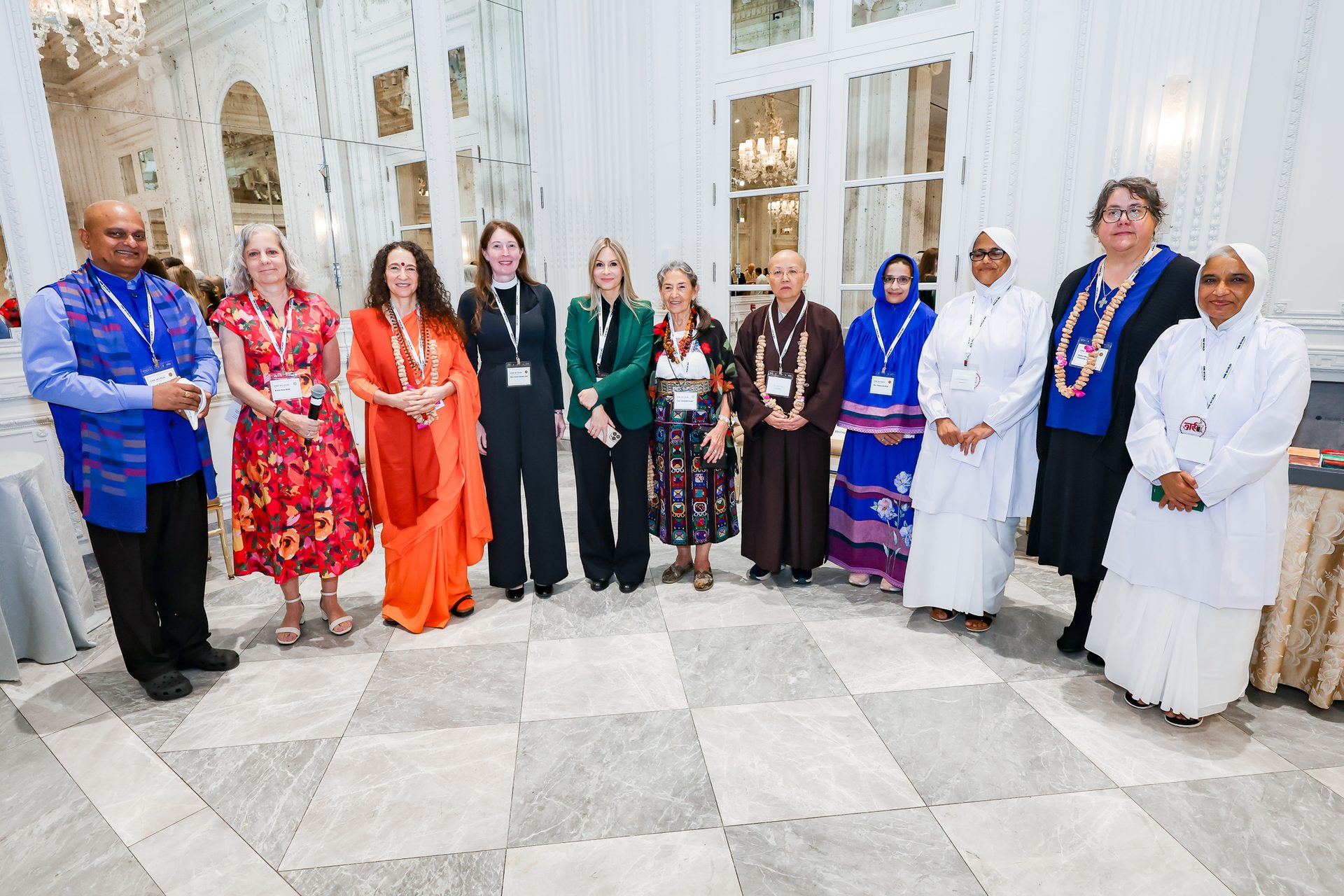
Faith leaders gather in New York to affirm shared humanity and moral leadership, and issue a Call to Action.
One World One Humanity, 2026. World Council of Religious LeadersRead the full story
2026
Setting the Table
The Call to Action becomes a working loop - commit, act, report - so that anyone can choose one action and tell us what they did.
Setting the Table artwork, World Council of Religious LeadersRead the full story
"This historic coming together of the two oldest religions will further efforts towards religious diplomacy and alleviate many of the deep-rooted misunderstandings of the past 2000 years."